EMS Les Marronniers

Designing and opening the new EMS Les Marronniers

For ten years, coordinating a property project of about CHF 33 million without losing sight of its purpose: a place to live, adapted to older people losing independence.

63individual rooms
10 yearsleading the project
2011new home opened
≈ CHF 12mannual operating budget under his leadership

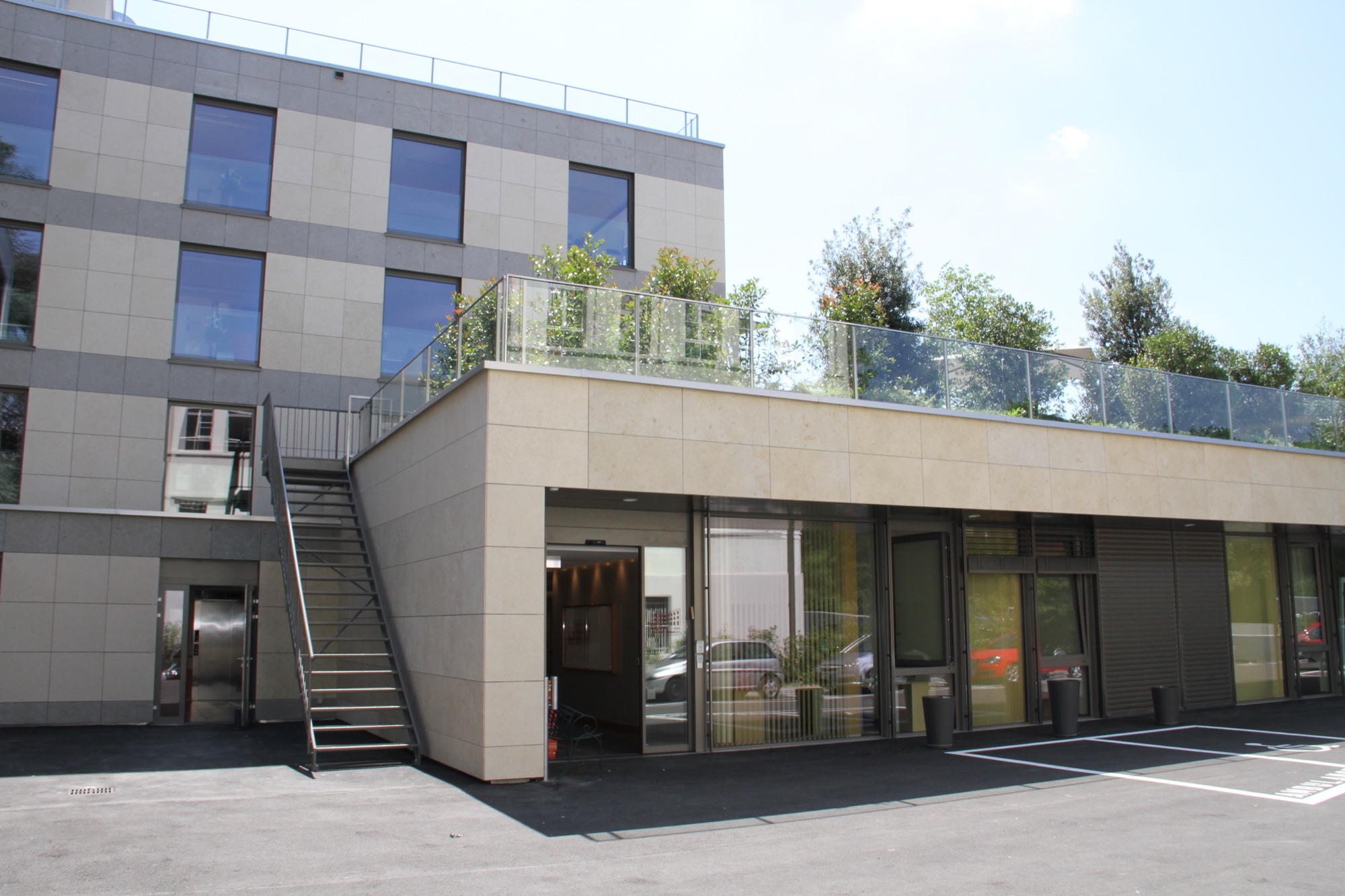
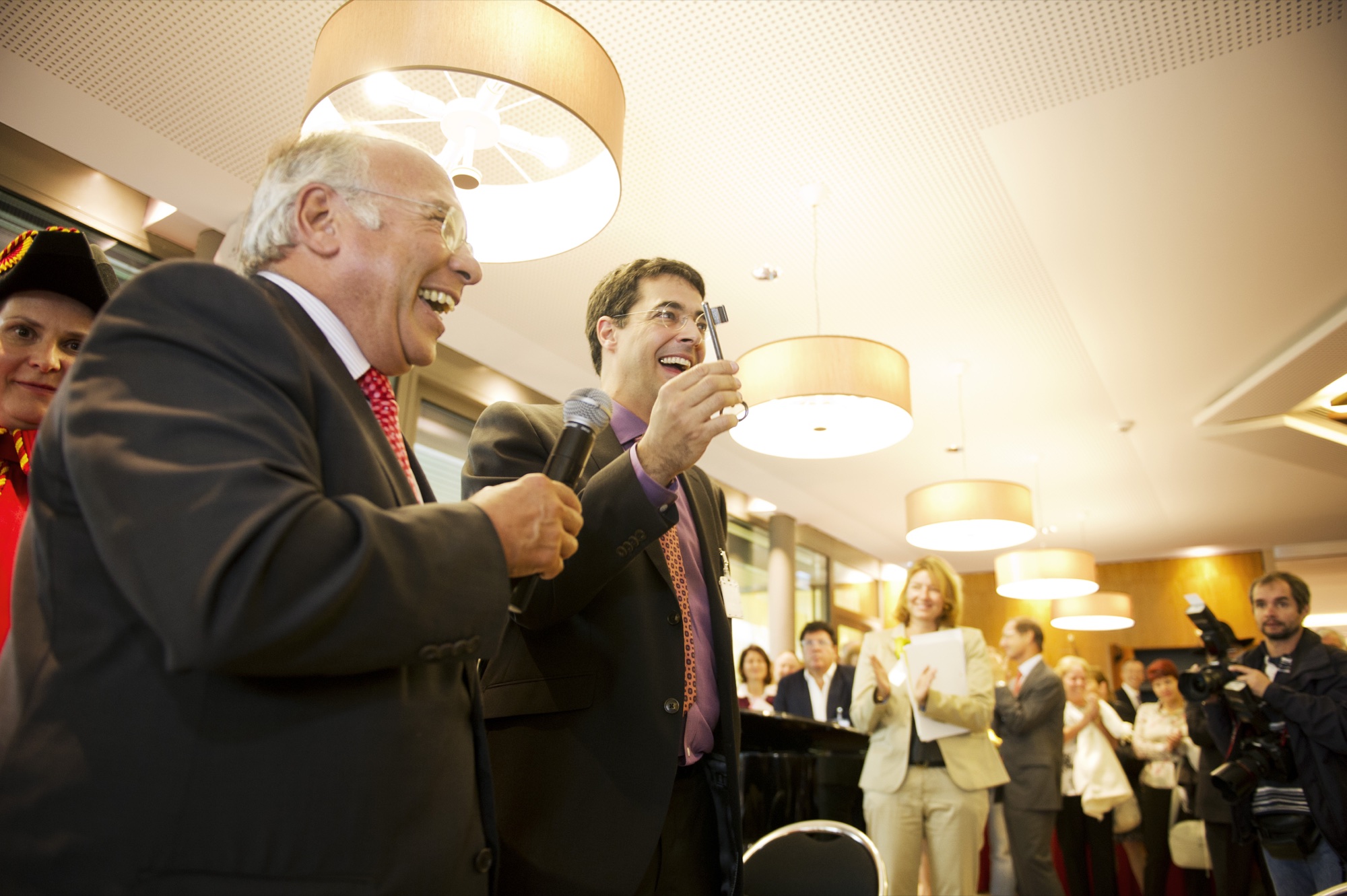
Two records from 2011 show the transition from project to opening: the new Chêne-Bougeries building and its official inauguration.

Façade of the new EMS Les Marronniers in Chêne-Bougeries in 2011
The new EMS Les Marronniers in Chêne-Bougeries, opened in 2011.
Joël Goldstein at the official inauguration of EMS Les Marronniers in September 2011
Joël Goldstein at the official inauguration on 19 September 2011.Photograph: Pierre Abensur / Les Marronniers.

The press kit and release prepared for the opening describe the mission, architecture, organisation and move to the new home.

01

Start with use, not the building

The project began with the needs of residents, particularly people living with cognitive disorders, as well as those of families and professionals. Administration, care, hospitality, technical services, activities and Jewish life had to form one coherent organisation.

02

Coordinate an ecosystem

My role was that of a conductor: bringing together the foundation board, teams, architects, engineers, contractors, cantonal authorities, funders and Geneva’s Jewish communities. I attended site meetings while continuing to lead the existing home.

03

Prepare life before opening

An institution does not begin on the day the keys are handed over. The leadership team, recruitment, operating model and move all had to be prepared, translating each resident’s life project into the new organisation.

04

Architecture that supports care

The design addressed the effects of ageing and disorientation. Circulation, contrasts, materials, landmarks and meeting spaces are not details: they can support or inhibit independence.

Official Geneva canton directoryPro Senectute Switzerland 2016 management report